One Sheet, Framed and Numbered: The Quiet Market for Letterpress Broadsides
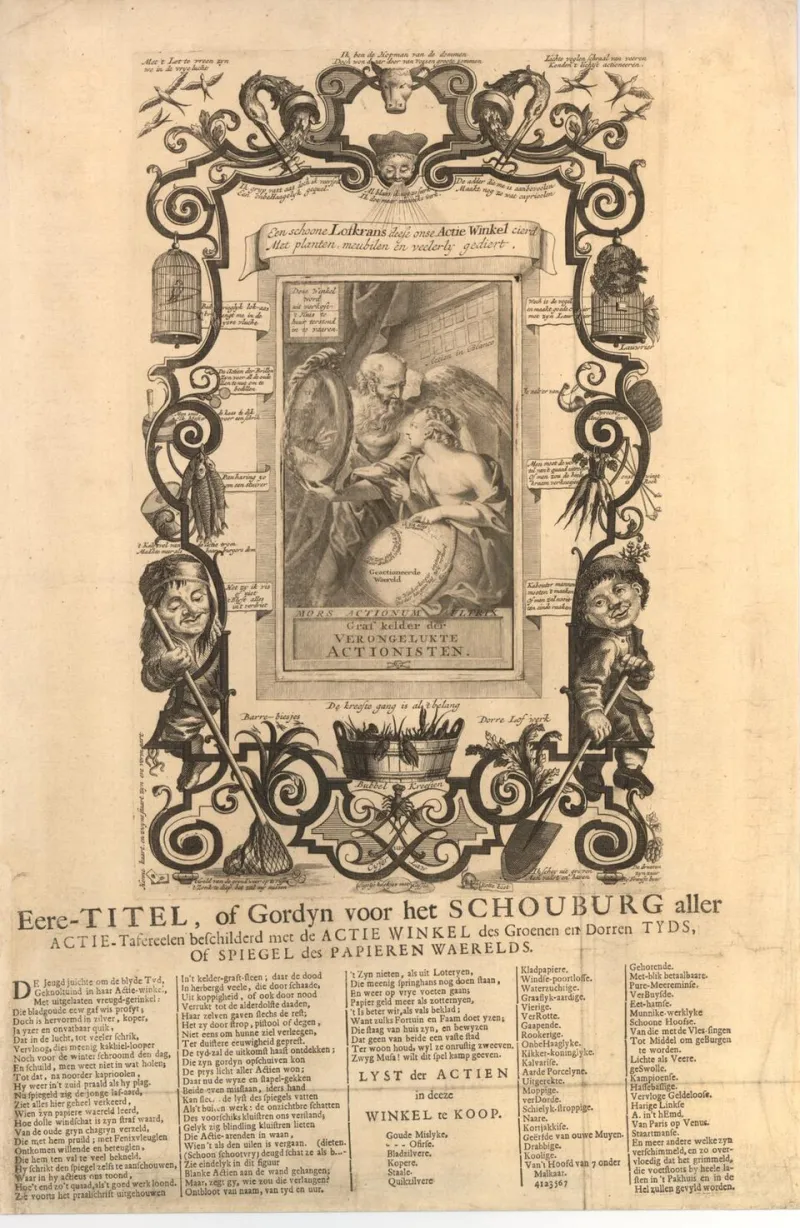
Photo: Unknown, Public domain, via Wikimedia Commons
In a growing number of American studios and small presses, the most collectible thing a publisher makes is not a book. It is a sheet. A letterpress broadside — a single page carrying a poem, a story excerpt, an illustration, or a short essay — is printed in a limited edition, numbered, signed in some cases, and sold flat or lightly rolled. Collectors frame them. Publishers price them as affordable art. And in 2026, the broadside is quietly outselling the full volume for some buyers.
The broadside has a long history in American printing. Political handbills, poem sheets, and illustrated posters were once common forms of cheap print. The contemporary version is more deliberate: a fine-press object, often printed on cotton paper, with deep impression and careful typography. It is meant to be looked at as much as read. That dual purpose is central to its appeal.
The Economics of a Single Page
A broadside looks simpler than a book, and in some ways it is. There is no binding, no dust jacket, no spine, and no warehouse of signatures. But letterpress printing is labor-intensive. Each color requires a separate pass through the press. Each sheet must be registered, dried, and inspected. A small edition of one hundred can take days to print, especially if the design includes illustration or multicolor typography. Paper, ink, and press time are not cheap.
The price reflects that labor. Broadsides often sell for forty to two hundred dollars, with larger or more elaborate editions climbing higher. Compared with a fine-press book, the broadside's unit economics can be attractive: a publisher can produce a beautiful object without committing to hundreds of pages, and a collector can acquire a signed, numbered piece for less than the cost of a limited hardcover. The broadside is a low barrier to entry on both sides of the transaction.
Why the Fragment Sells
The deeper appeal is the fragment. A broadside isolates a passage, a poem, or an image and gives it a wall. The reader does not have to hold a volume open to see it; the collector does not have to dedicate shelf space to another book. The sheet can hang in a hallway, a study, or a small apartment. It is art that happens to be made of text.
For some buyers, that is now preferable to the full volume. A novel may contain one paragraph worth living with; a poetry collection may contain one poem worth framing. The broadside lets a publisher test that proposition. It also lets a collector own a piece of a book without owning the book. The fragment is not a substitute for the whole, but it can be a more concentrated version of it — and, in the current market, a more visible one.
Craft, Constraint, and the Letterpress Revival
The broadside boom is tied to the wider revival of letterpress printing among small studios and independent presses. Antique presses, polymer plates, and hand-set type all play a role, and the constraints of the equipment shape the design. A broadside cannot easily hide a bad layout. The impression is visible, the registration is visible, and the paper is exposed. Collectors who know the craft look for deep, even impression, clean edges, and a colophon that states the edition size and the printer.
That craft context matters for value. A broadside is not merely a poster with a number on it. It is a record of a printing method, a design decision, and a limited run. The best examples are made by printers who understand the sheet as a whole: typography, image, margin, and paper working together. The worst are books compressed onto a page, with no thought to how the fragment will read on a wall.
The Risks of the Sheet
The format has vulnerabilities. Paper tears. Light fades ink. Framing can damage a sheet if it is pressed against glass or mounted with acidic materials. A collector who buys a broadside must think about conservation in a way that a book collector may not. The object is exposed by design.
There is also the question of authenticity. A numbered broadside is only as trustworthy as its colophon. Reprints, unsigned later printings, and digital reproductions can muddy the market. Collectors should look for edition statements, printer's marks, and provenance. The broadside's affordability makes it accessible, but it also makes it easier to produce a convincing imitation.
The Shelf vs. the Wall
The broadside's rise suggests that collectors are not only buying content; they are buying a relationship to content. A book asks for time and shelf space. A sheet asks for a wall and a glance. For a certain kind of reader — one who has run out of shelves, or who wants a poem where they can see it every morning — the sheet is the more practical object. For a certain kind of publisher, it is the more flexible one.
None of this means the book is in retreat. The broadside is a complement, not a replacement. But in 2026 the single sheet has found a durable place in the limited-edition market: affordable enough to buy on impulse, crafted enough to keep, and scarce enough to feel like a discovery. The full volume still holds the shelf. The broadside holds the wall.