The Signature That Wasn't: How Robo-Signing Quietly Infiltrated the Autographed Edition Trade
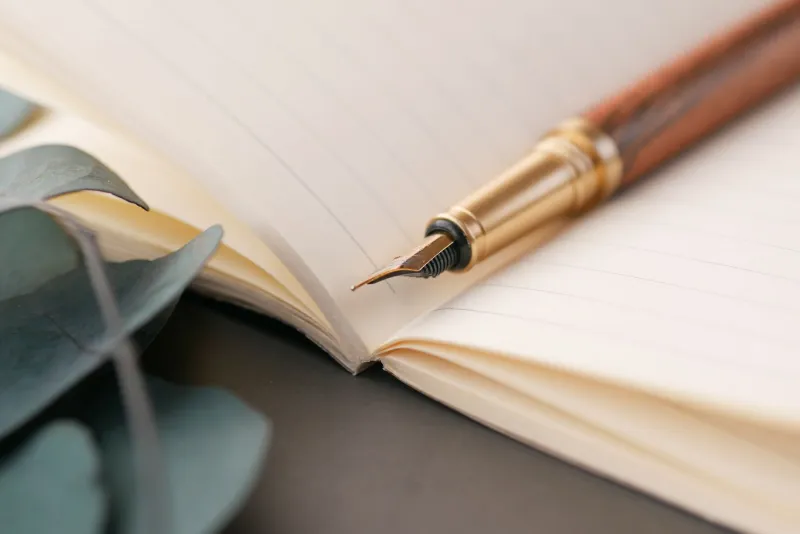
The bookplate arrives crisp and flawless, the author's name curving across the corner in what appears to be confident, slightly hurried ink. The certificate of authenticity, embossed and numbered, sits beneath it. Everything about the object says rare. Everything about the object says hand.
There is a reasonable chance neither is true.
The Open Secret of the Publishing World
Autopen technology is older than most collectors realize. Machines capable of reproducing a signature from a template have existed since the nineteenth century, when they were used to handle presidential correspondence. Thomas Jefferson famously kept one. What has changed is not the existence of the technology but its scale, its precision, and — most consequentially for the collector — its silence.
Today, a midlist author with a five-figure print run of "signed" first editions may sign a single sheet. That sheet is digitized, and a signing machine repeats it across hundreds or thousands of copies, each one receiving an application of real ink through a mechanical arm. Because the implement is a pen rather than a printer's roller, the result can feel authentic to the touch. It is not a facsimile printed onto the page. It is a signature performed by a device.
Publishers rarely disclose this. Industry convention treats the autopenned copy as "signed" in a loose, defensible sense, and the practice occupies a gray zone that American consumer protection law has been slow to illuminate. Federal statutes like the Lanham Act address false designation of origin, but proving that a publisher intended to deceive — rather than merely to scale — is a steep hill for any individual buyer.
Why the Stakes Have Risen
For decades, the premium on a signed copy was modest and the risk tolerable. That equilibrium has collapsed. Signed first editions of contemporary literary fiction and genre work routinely command three to ten times the unsigned price on the secondary market, and celebrity memoirs can exceed that several times over. When the delta between a machine-signed and hand-signed copy reaches hundreds of dollars, the question of provenance stops being academic.
The problem compounds because the two categories are converging in appearance. High-resolution digitized signatures printed directly onto the page — no ink pen involved at all — are now common on mass-market "autographed" editions sold through major US retailers. Meanwhile, autopen signatures, applied with actual ink, sit at a different point on the spectrum. A collector who has learned to spot one may be entirely unprepared for the other.
A Practical Field Guide for the American Collector
No single test is definitive, but a disciplined inspection routine catches the overwhelming majority of machine work.
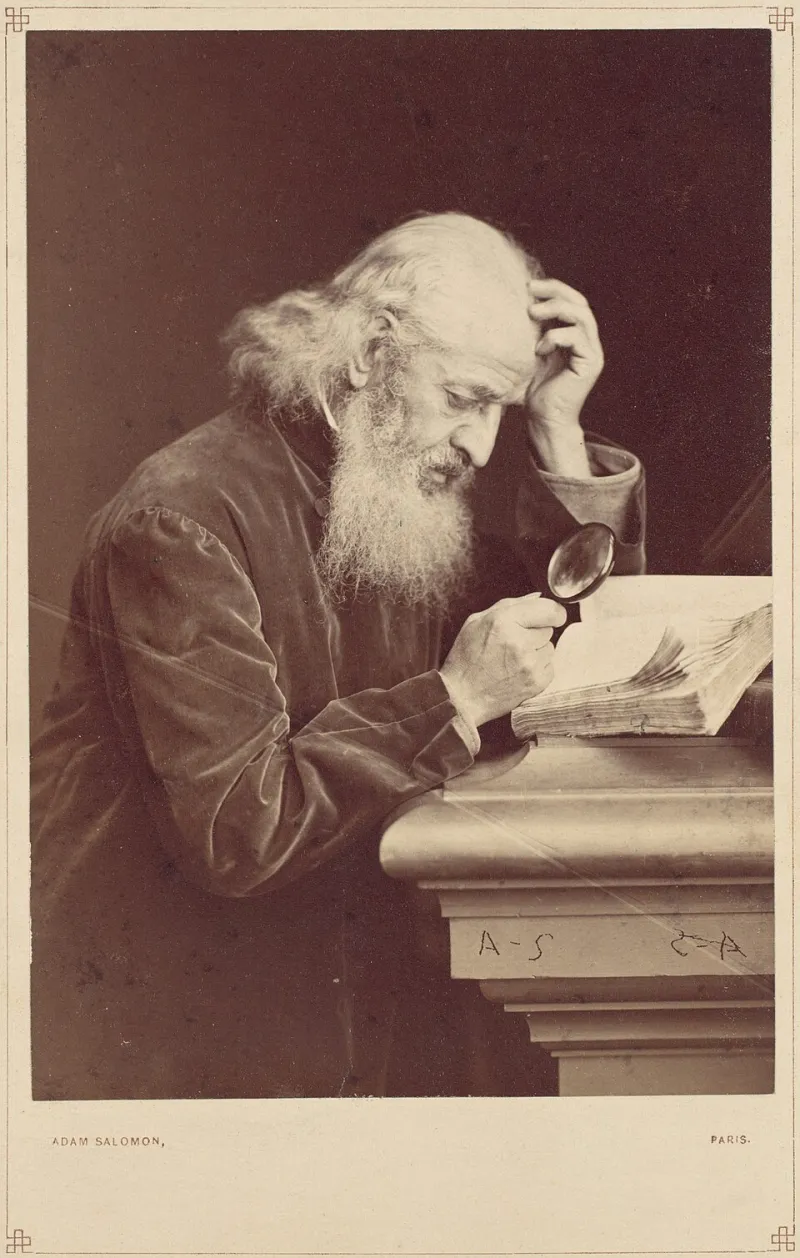
Examine pressure variation. A human hand naturally varies the downward force of a pen. Under magnification, genuine signatures show fluctuations in ink density — heavier where the pen hesitated, lighter in fast curves. Autopen output tends toward mechanical consistency, with unnaturally even ink flow throughout.
Look for the start and stop. Machine signatures often begin and end with a faint hesitation mark or a small ink pool where the pen touched down or lifted. Human signatures, especially by authors who sign thousands of books, develop their own idiosyncrasies in exactly these spots.
Compare against a known reference. This is where the autopen's fundamental weakness betrays it: it repeats. If a signature on your copy is geometrically identical — stroke for stroke, curve for curve — to one on a copy held by a fellow collector or documented in an online forum such as thesigntist communities on Reddit or the dedicated autopen databases maintained by presidential autograph collectors, you are almost certainly holding a machine product. Human signatures never repeat exactly. Machines cannot do otherwise.
Interrogate the paper trail. A certificate of authenticity is only as credible as its issuer. COAs from the publisher itself carry modest weight; COAs from recognized third-party authentication services such as JSA or PSA/DNA carry considerably more. Be especially wary of unsigned certificates, generic holograms, and sellers who describe a signature as "hand-signed" without specifying where and when the signing occurred.
Consider the arithmetic. A print run of 50,000 signed copies attributed to an author who spent one afternoon at a signing table deserves skepticism on its face. Ask the simplest question in collecting: does the number make sense?
The Legal Vacuum
What makes the situation durable — and frustrating — is that almost nothing about it is clearly illegal. Publishers can argue that "signed edition" describes an edition associated with the author's signature, however applied. Disclosure, when it occurs at all, tends to appear in fine print on the publisher's website rather than on the book itself. A handful of states have statutes addressing autopen use in government documents, but consumer-facing collectibles remain largely unregulated territory.
Some in the industry have begun pushing back. A small number of publishers now stamp or notate machine-signed copies, and a few authors have publicly disavowed robo-signing after discovering their names attached to it. Whether this becomes a norm or remains a boutique gesture depends almost entirely on collector pressure — on buyers treating disclosure as a condition of purchase rather than a pleasant surprise.
Authenticity as a Moving Target
The deeper unease for collectors is philosophical. A signature has always been valued as a trace of presence — evidence that the creator's hand crossed this object at some moment in time. Machine signing severs that connection while preserving its appearance, and it does so in a marketplace with no requirement to say so.
None of this means signed editions are finished. It means the burden of verification has shifted decisively onto the buyer. The collectors who will protect their collections are those who learn to read ink the way a numismatist reads a die crack: not as sentiment, but as evidence. In a market where the machine has learned the hand, knowledge is the only provenance you can carry into a purchase with confidence.