When the Fake Becomes the Rarity: Inside the Counterfeit Limited-Edition Trade
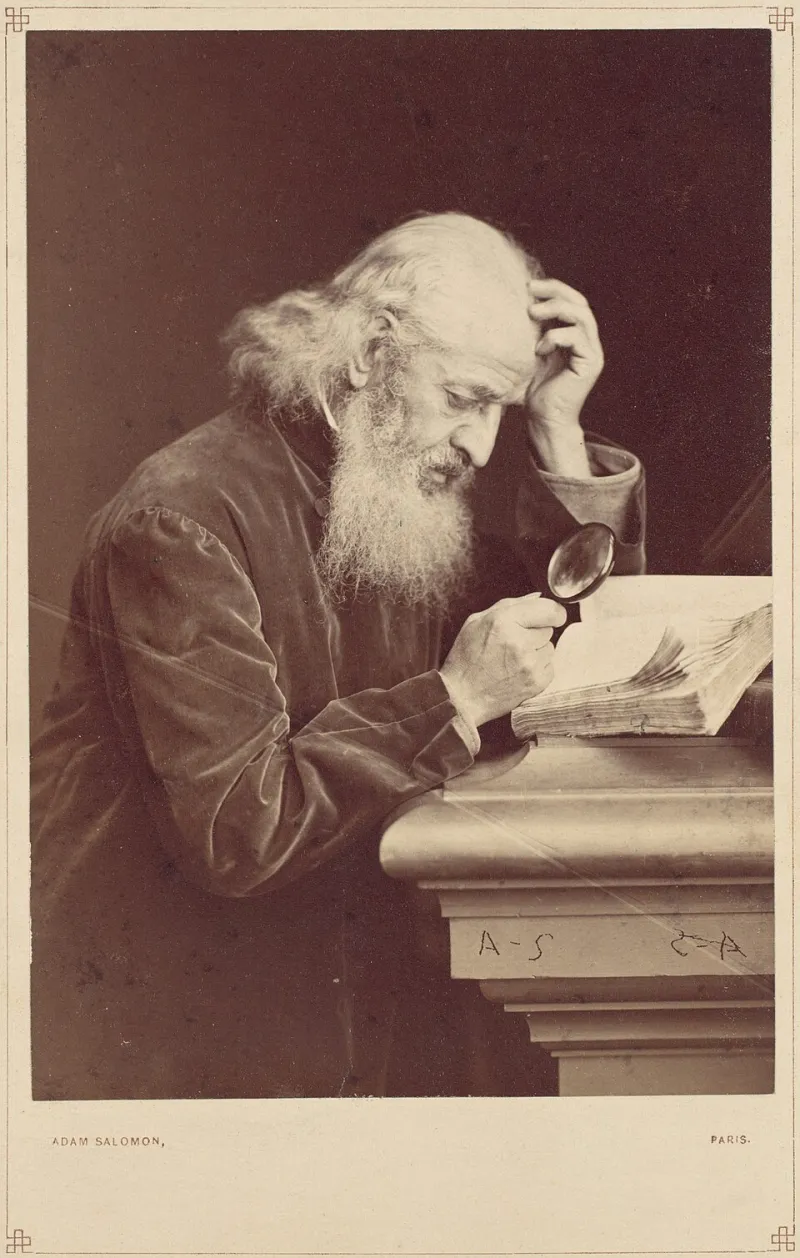
Photo: Antoine-Samuel Adam-Salomon, Public domain, via Wikimedia Commons
There is a particular kind of dread that settles over a collector the moment doubt enters the picture. The object in hand—a numbered art book, a signed lithograph, a limited-run screen print—suddenly feels different. The paper stock seems slightly off. The ink density doesn't quite match the reference images filed away in memory. The certificate of authenticity, once reassuring, now reads like a document that could have been produced in an afternoon.
This is not a hypothetical anxiety. It is the lived reality for a growing segment of the American collecting community, as counterfeit limited editions have moved from a fringe nuisance to a genuine structural problem within the market. Bootleggers are no longer simply copying mass-market goods. They are replicating scarcity itself—and doing so with alarming precision.
Why Scarcity Makes the Perfect Target
To understand why limited editions attract forgers with such singular focus, it helps to consider what scarcity actually sells. When a publisher releases one hundred hand-numbered copies of an illustrated art book, the buyer is not merely purchasing ink and paper. They are purchasing a position—a place within a defined, finite community of ownership. The number on the colophon page is less a descriptor than a credential.
Counterfeiters understand this implicitly. The forgery of a mass-produced product requires outselling or undercutting the original at scale, a logistically demanding proposition. The forgery of a limited edition, by contrast, requires only convincing a small number of buyers—sometimes just one—that a fabricated credential is genuine. The profit margin per unit is extraordinary, and the pool of skeptical, forensically equipped buyers is far smaller than the general retail public.
The targets have become increasingly sophisticated. Bootleg art books replicating the production quality of prestige publishers have surfaced at collector fairs across the country. Fake numbered prints bearing forged artist signatures have moved through secondary platforms including eBay and specialized collector forums. In several documented cases, fraudulent certificates of authenticity—complete with embossed seals and fabricated gallery letterhead—have accompanied objects sold for thousands of dollars.
The Authentication Problem
Authentication in the limited-edition space has always been an informal discipline. Unlike fine art, where institutions such as the Smithsonian or major auction houses maintain rigorous provenance standards, the collectible publishing and print markets have historically relied on community knowledge, direct relationships with publishers, and the general assumption of good faith.
That assumption is now being systematically exploited.
For collectors seeking to protect themselves, several practical measures have become increasingly standard. First-party registration—purchasing directly from the issuing publisher or a verified retailer—remains the most reliable safeguard. Publishers including Fantagraphics, Taschen, and various boutique art book houses in the United States have moved toward holographic stickers, proprietary paper stocks, and embedded digital identifiers that are difficult to replicate without significant industrial investment.
Community verification has also matured as a resource. Online forums dedicated to specific artists or publishers maintain detailed photographic archives of authentic editions, including close-up documentation of binding techniques, ink behavior under UV light, and the precise typography of colophon pages. A collector purchasing a secondary-market item would be well advised to cross-reference against these archives before completing any transaction.
Third-party authentication services, long common in the trading card and sports memorabilia sectors, are beginning to extend their expertise into the art book and limited-print space. Services such as Beckett Authentication and independent fine-art appraisers now field requests for printed collectibles with some regularity, though the field lacks the standardization that characterizes authentication in more established collecting categories.
The Forgery That Became the Artifact
Perhaps the most disorienting development in this space is a phenomenon that inverts the expected logic of the market entirely. In several documented instances—most notably within the underground comics and alternative art print communities—counterfeit limited editions have themselves become collectible objects.
The mechanism is straightforward, if strange. A forger produces a small run of fake numbered prints attributed to a recognized artist. The forgeries circulate, are eventually exposed, and are pulled from the market. But the very exposure that should eliminate their value instead transforms them: the fake prints become, in effect, a limited edition of their own—a documented artifact of a specific moment of fraud, finite in number, and possessed of a peculiar narrative weight that the originals do not carry.
This is not merely theoretical. Bootleg art books from the 1990s underground press scene now command prices at auction that occasionally exceed those of the legitimate editions they mimicked. Collectors who specialize in print culture history actively seek them out. The forgery, in these cases, has become primary source material.
This development creates an uncomfortable philosophical question for the collecting community. If the value of a limited edition derives from its scarcity and its story, and if a forgery accrues its own verified scarcity and a more dramatic story than the original, at what point does the ontological distinction between fake and authentic cease to matter economically—if not ethically?
What This Means for the Market
The counterfeit limited-edition trade does not merely threaten individual collectors financially. It corrodes the foundational trust upon which the entire scarcity-based market depends. A numbered print derives its premium from the collective agreement that the number means something. When that agreement is undermined at scale, the premium itself becomes unstable.
Publishers and artists are responding with structural changes to their production and distribution practices. Shorter distribution windows, direct-to-collector sales models, and more rigorous documentation of the production process—including behind-the-scenes video records of numbered signing sessions—are all strategies being adopted with greater frequency.
For collectors, the lesson is a familiar one rendered newly urgent: provenance matters more than the object. The story of how a piece moved from creator to current owner is not supplementary information. It is, increasingly, the core of the asset itself.
At Krem Editions, we have long held that the value of limited work resides in its integrity—the unbroken chain between creative intent and physical form. The counterfeit trade does not simply steal objects. It steals that chain. Protecting it is not merely a matter of financial prudence. It is a matter of preserving what makes limited editions worth wanting in the first place.