Pressed, Numbered, Framed: When a Record Stops Being a Record
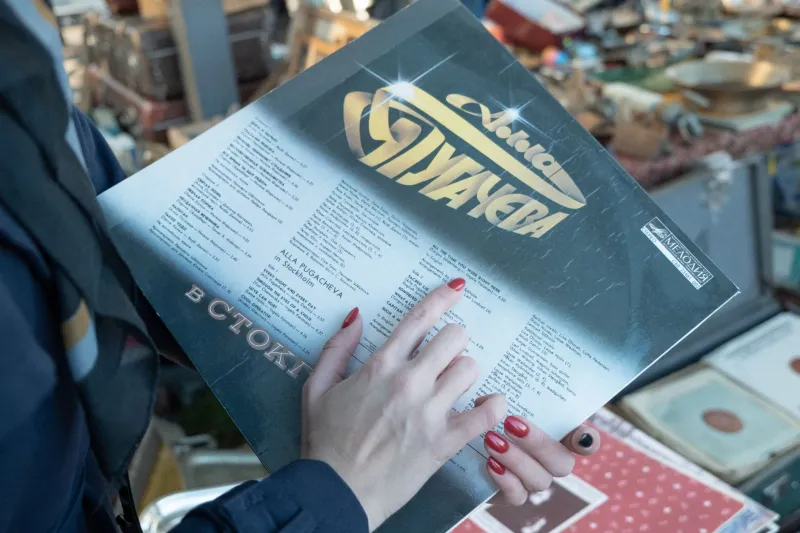
Walk into the studio of any serious independent musician in 2024 and you may notice something curious: the vinyl test pressings on the wall, mounted and framed like lithographs. The album, it turns out, has stopped being primarily a listening format for a certain class of release. It has become an edition.
The shift has been gradual but unmistakable. What began as a nostalgic revival of vinyl has matured into something more deliberate and, frankly, more ambitious. Musicians and the labels that back them are now conceiving of physical releases as limited art editions first and recordings second — numbered runs, archival papers, letterpress jackets, and packaging engineered to survive decades on a shelf or, increasingly, on a wall.
The Sleeve as the Statement
Consider the trajectory of the deluxe vinyl release over the past decade. Early in the revival, colored wax and gatefold jackets were novelties. Today, the most sought-after pressings feature foil stamping applied by hand, tip-on sleeves printed on heavyweight stock, and obi strips sourced from the same Japanese suppliers used by fine bookbinders. Some editions include lyric manuscripts reproduced in facsimile, signed by the songwriter, transforming the package into something closer to a portfolio of original documents.
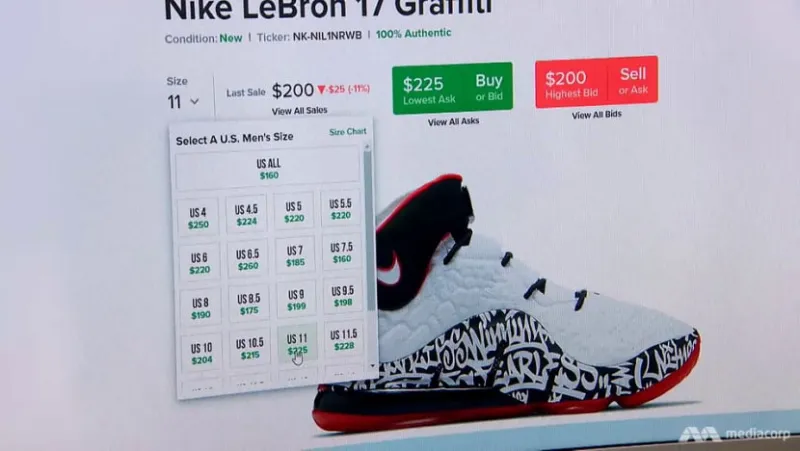
The economics reinforce the framing. Editions of 300 or 500, priced like mid-tier art prints rather than albums, routinely sell out in minutes. Secondary markets treat pristine copies as appreciating assets, and a surprising number of buyers admit — sometimes proudly — that the record will never touch a turntable.
Labels Thinking Like Publishers
The most interesting development is institutional. A handful of American labels have restructured themselves around the logic of the art book world: curated catalogs, announced edition sizes, waiting lists, and the kind of production values more commonly associated with museum catalogues than with the record industry.
These operations borrow openly from publishing. Release schedules are planned years out. Designers are credited with the same prominence as producers. Some labels even issue certificates of authenticity, a practice imported directly from the print market. The result is a hybrid creature — part discography, part catalogue raisonné — that treats an artist's output as a body of collectible works rather than a stream of albums.
Why Musicians Are Embracing the Model
The motivations are partly financial. Streaming has collapsed recorded music's unit value, and touring income remains volatile. A $150 limited pressing sold direct to collectors captures in one transaction what dozens of streams never will. But the appeal is not purely mercenary.
For many artists, the art-object release restores a sense of completeness that digital distribution flattened. An album conceived as a numbered edition demands that every element — typography, paper stock, the weight of the object in the hand — be considered as part of the work itself. Songwriters who grew up studying record jackets describe the format as a return to the album as a holistic statement, one that happens to also be scarce.
The Collector's Dilemma, Reprised
Naturally, this convergence raises familiar tensions. When an album is designed to be preserved rather than played, does it remain music at all? Critics of the trend argue that scarcity-driven packaging is a distraction from the art it contains — a way of charging gallery prices for commodity plastic. Defenders counter that the object has always been part of musical culture, from illuminated medieval manuscripts to hand-painted 78 rpm sleeves, and that the current moment simply makes that lineage explicit.
There is also the question of access. Editions of 200 inherently exclude most fans, and resale markups can turn a $90 pressing into a $600 commodity overnight. Some labels have responded with lottery systems and at-retail guarantees, while others quietly accept that exclusivity is the point.
The Gallery Aisle at the Record Store
Visit a well-curated American record shop today and you will notice the shelving has changed. Certain releases now sit in locked cases or on wall displays, priced and presented like the art books in a museum shop. The boundary between the record store and the gallery has not so much blurred as dissolved.
Whether this represents the future of music or a boutique detour, the implications for collecting culture are significant. A generation of listeners is learning to evaluate albums the way print collectors evaluate etchings: by edition size, provenance, condition, and the hand of the designer. The music, in the most literal sense, is only half the work.
For those of us who believe that limited editions are where craft and desire meet, the phenomenon is worth watching closely. The archive, as the saying now goes, is the album. And the album, increasingly, is something you frame.