Pressed for the Faithful: How One Band Bankrolled Its Own Box Set Before the Needle Ever Dropped
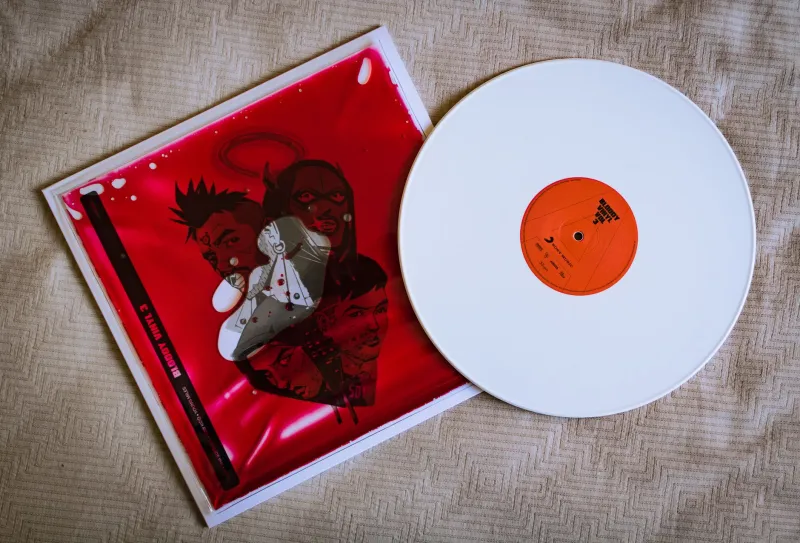
The email arrived on a Tuesday evening, as these emails tend to do. Subject line: The Waxwood Sessions — 500 copies, then never again. Inside, a Portland five-piece with two albums and zero label support laid out its proposition with the precision of a prospectus: a four-LP box set, foil-stamped sleeve, 64-page book of tour photographs, lathe-cut bonus single, all to be produced only if 400 people committed $185 apiece within thirty days.
Fourteen days later, the campaign closed at 612 backers. The band had, in effect, pre-sold its entire production run — plus a modest operating surplus — before a single lacquer was cut.
The Arithmetic of Devotion
For decades, the middle of the music business has been hollowing out. Major labels chase streaming scale; artists below a certain threshold are often left to fend for themselves. What has emerged in the gap is something closer to a guild economy: small acts, direct relationships, and physical objects whose price reflects genuine cost rather than retail convention.
The numbers are less implausible than they first appear. A four-LP set with premium packaging might cost a self-releasing band $30 to $40 per unit at a 500-unit run. Priced at $185, with shipping and fees factored in, the margin is thin but real — and crucially, it accrues entirely to the musicians. No label recoups its advance. No distributor takes fifteen percent. The fan's money becomes the factory floor.
This is not the vinyl revival as it is usually told. That story belongs to chart hits and big-box retail. The one unfolding in mailing lists and Discord servers is quieter: a parallel supply chain in which scarcity is not manufactured by marketing departments but dictated by the honest limits of a band's bank account and a pressing plant's queue.
Followers, Not Customers
What distinguishes these releases from ordinary merch is the role the buyer plays. Backers on platforms like Qrates and Bandcamp, or on the bands' own storefronts, are functionally underwriters. They commit before the object exists, sometimes a year before. In return they receive not just the record but provenance: their name in the book's acknowledgments, a numbered plate, occasionally a test pressing.
The psychology resembles what collectors of fine press books have long understood. The object's value begins as a shared act of faith. When the crate finally arrives — and it always arrives late; every one of these projects slips its schedule — the unboxing is less a purchase fulfilled than a promise kept.
The Downside of the Deal
Honesty requires noting the fragility. A band that misjudges demand by a hundred units may sit on debt for years. Pressing plants, still backlogged from the format's resurgence, quote lead times in seasons, not weeks. And the direct-to-collector model, for all its intimacy, depends entirely on the band's willingness to answer emails, sign sleeves, and apologize for delays in public.
There is also a ceiling problem. Five hundred copies, sold at a workable margin, sustains a band. It does not make one wealthy. But that, arguably, is the point. What is being rebuilt is not stardom — it is the sustainable middle tier that the last two decades of the industry systematically dismantled: acts that can pay their pressing bills, tour modestly, and return in eighteen months with another edition.
A Collectible With a Conscience
For the American collector, these sets occupy an unusual position in the market. They rarely appreciate dramatically — the secondary market for a $185 box from a band with 4,000 monthly listeners is thin. Their value is custodial rather than financial: you own the definitive artifact of a body of work, produced with the artists' full participation, in a quantity that will never be revised.
In an era when digital music is infinite and weightless, that finality has become the rarest attribute of all. Five hundred copies. Then never again — and this time, the sentence is a manufacturing fact, not a marketing line.